
Noteworthy
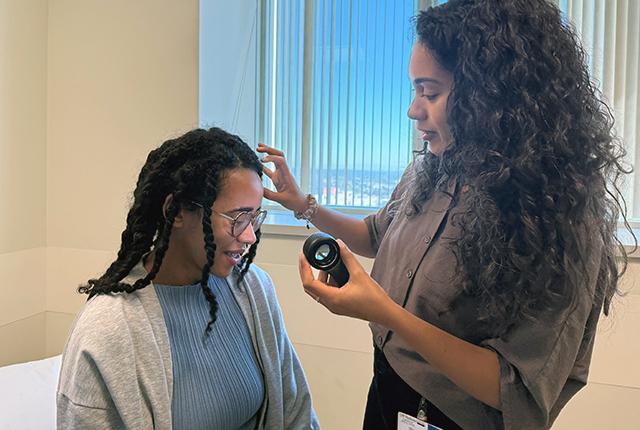
‘Skin of color’ program focuses on what textbooks miss
A UW Medicine dermatologist is motivated to close gaps in trust and understanding about people with black and brown skin.

Invitation: Create joyful spaces for people with dementia
UW Medicine wants to train facilitators around Washington state to host “memory cafés.”

Summit focus: opioid epidemic’s strain on first-responders
Stakeholders will address how persistent responses to drug use and overdose have caused frustration, cynicism and burnout.
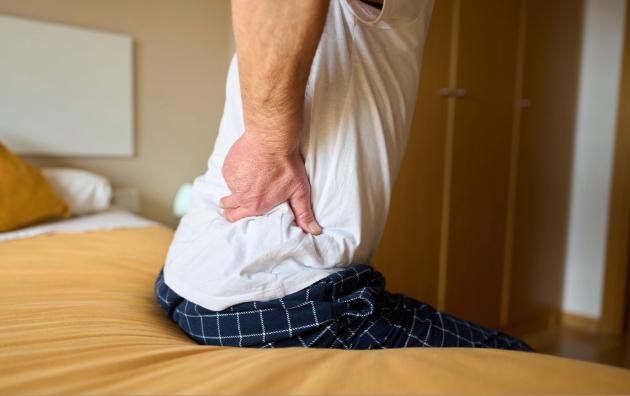
How can the mind be harnessed to ease pain?
Adults 60 and older are needed for a study exploring how mind-body treatments might change the brain’s response to pain.

Sleep expert tells why high schools need later start times
Ten years in, Seattle's delayed secondary school start times have improved student health and performance.

Study to explore care access for child feeding disorders
Participants will virtually share recent experiences of seeking feeding therapy for kids, with the goal of helping them get treatment sooner.

Snapshots: Research, clinical and other news in brief
Leukemia clinical trial | Hikes for people with dementia | Exercise as part of clinical care | Kratom component regulated
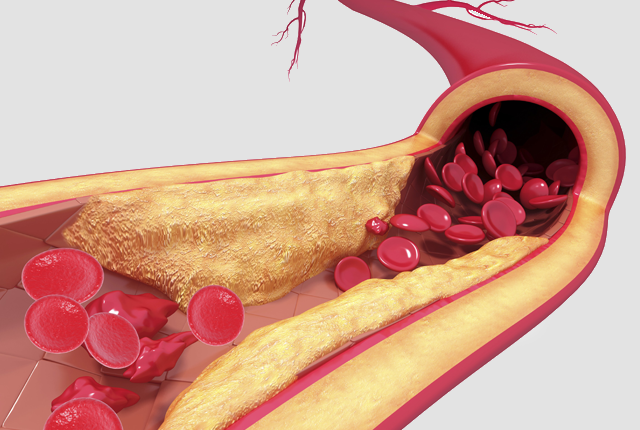
Statins not enough? New pill expected to lower cholesterol
The newly FDA-approved drug, enlicitide, will mostly augment statins rather than replace them, a cardiologist explains.

Research trial aims to improve cardiac arrest survival
The trial will compare two drugs used to treat post-arrest shock, a condition affecting 70% of survivors.

Over 50? You can take steps to reduce osteoporosis risk
Q&A: A bone-disease specialist stresses prevention, detection and medication long before a fracture.
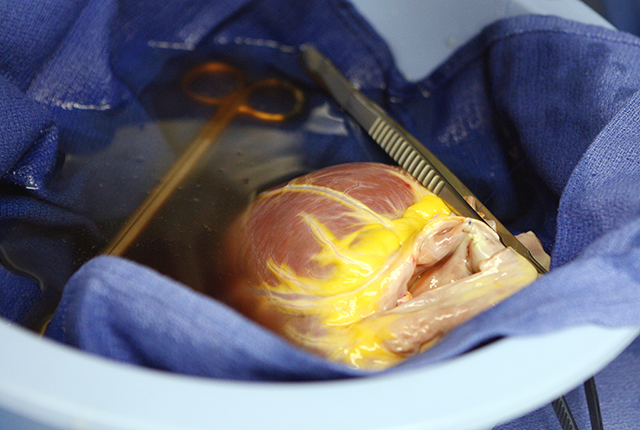
‘Death by organ donation’ idea is nonviable, ethicist says
A published proposal to give terminally ill organ donors latitude in choosing how they die contradicts long-held ethical standards.
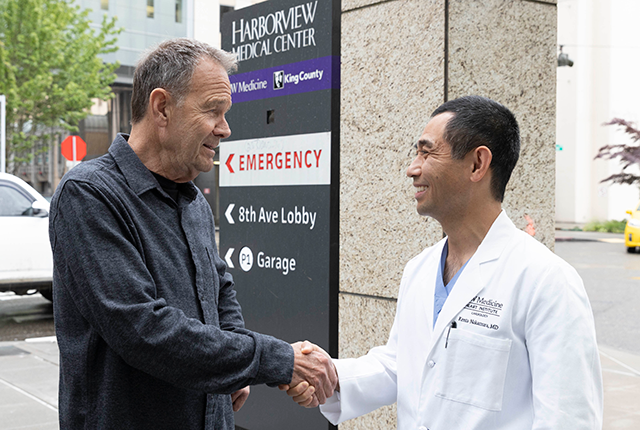
Chain of survival: How teamwork, expertise saved a life
A noted fencer survived a major heart attack at his gym, thanks to bystanders, Medic One first responders and Harborview care teams.
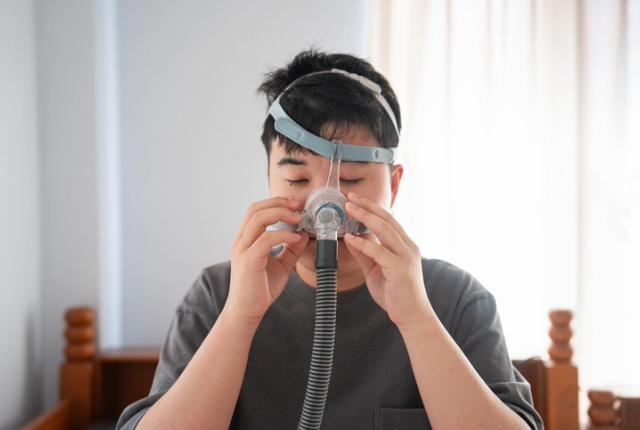
Sleep apnea hits the heart hardest during the day
New study findings might affect how doctors monitor and treat atrial fibrillation, a sleep-medicine specialist says.
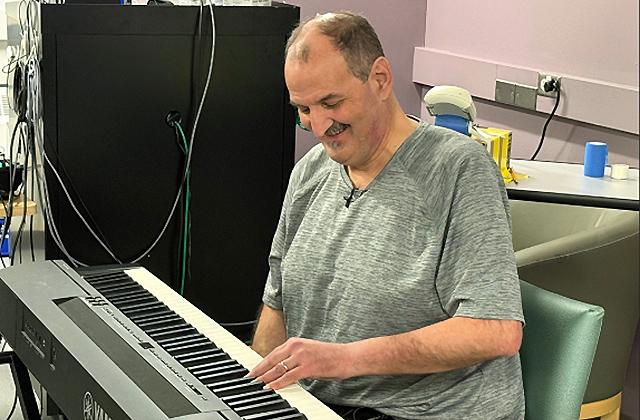
Hope is renewed for participant in brain-implant trial
A stroke patient experiences progress while participating in a safety study of a brain-stimulation device.

Dr. John Geyman, family medicine pioneer, remembered
His contributions to physician education, healthcare reform and community service shaped the field for more than five decades.

Clinical trial studies GLP-1 drug for alcohol-use disorder
Among participants are people who struggle with cravings for alcohol and want to stop or reduce their consumption.

2 patient cases of Legionella reported
UW Medicine is working with King County, state and federal agencies to review the cases.

Hospitals nudged to respond better in patient-harm cases
A national center helps healthcare systems embrace an approach to more transparent communications with patients.
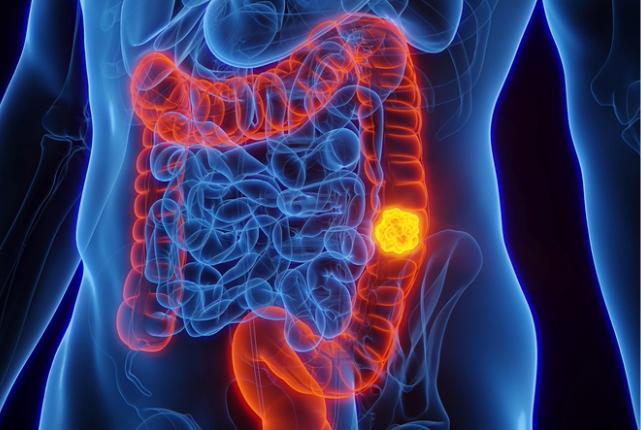
Program expands colon cancer screening
UW Medicine and Fred Hutch are catching cases earlier through at-home tests and patient support.
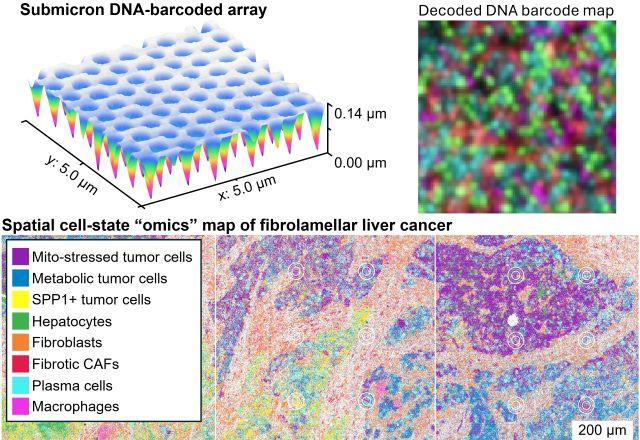
Project to map live-tissue molecular changes over time
Biohub funding will support creating a submicron-resolution platform to study immune dynamics in mouse and human tissues.

Nerve tissue offers insights into chronic neck pain
Researchers were surprised to find that inflammation in neighboring cells appears to keep neck nerves in a pain-sensitive state.
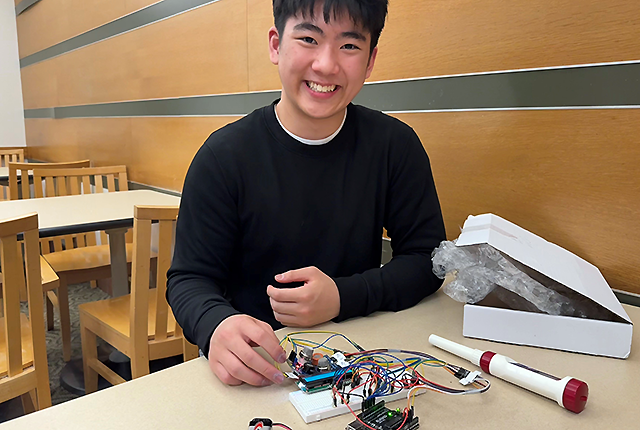
Poor sense of smell is sometimes a ‘superpower,’ teen says
A 10th-grader explores the upsides of chronic sinusitis, including building a ‘bionic nose’ that earned science-fair recognition.

Managing the anxiety and depression of long COVID
Q&A: Integrated care, routine screening and tailored therapies help address long COVID’s physical and emotional toll.

Finding balance when stress feels overwhelming
Q&A: A psychologist explains what triggers stress, its health effects and how to cope.
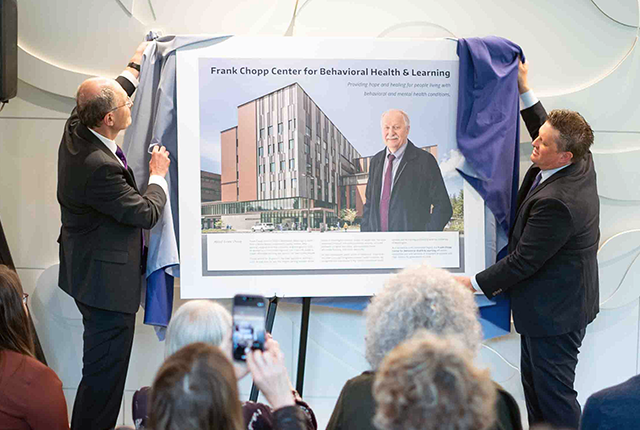
Center dedicated to House Speaker Emeritus Frank Chopp
UW Medicine held a naming ceremony April 28 to honor the late legislator's lifelong commitment to behavioral healthcare.