
Program expands colon cancer screening
UW Medicine and Fred Hutch are catching cases earlier through at-home tests and patient support.Media Contact: Vishva Nalamalapu - vnala@uw.edu
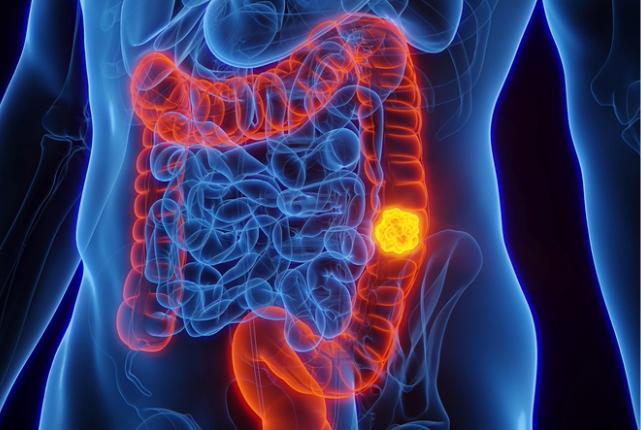
Because Kandice Austin has a family history of breast and pancreatic cancer, she suspected there was a chance she would develop cancer one day, too. Upon turning 50, she received an at-home colon cancer screening test. She completed the test, with a negative result.
The next year, Austin completed the test again. The result came back positive. Unsure of the test’s accuracy, she didn’t give the finding much weight.
Colon cancer is one of the more preventable cancers yet is the second greatest cause of cancer death in the United States. People with early-stage colon cancer often are unaware because they lack symptoms. As their condition progresses, they may develop blood in their stool, abdominal pain and unexpected weight loss. At later stages, it’s more difficult to treat.
In 2021, UW Medicine and Fred Hutch rolled out a colorectal cancer screening program focused on earlier detection and treatment. The program provides at-home tests to make screening easier and more widespread in the community.
Eligible UW Medicine patients — those ages 45 to 75 who haven’t been screened and who are not known to have high risk for colon cancer — receive a message from their primary care clinician that explains the program. Patients whose risk is higher, such as people with inflammatory bowel disease or other conditions, are advised to schedule a colonoscopy.
If UW Medicine doesn’t hear back from a patient, a staff member reaches out to offer help addressing barriers they might face. If an at-home test comes back positive, staff work with the patient’s primary-care team to schedule a colonoscopy and answer any questions the patient has.
“Understanding that it’s a two-step screening strategy is very important,” said Dr. Rachel Issaka, the program director and an associate professor of gastroenterology at the University of Washington School of Medicine and Fred Hutch Cancer Center.
The program has helped educate more people about colon cancer. The messages from primary- care doctors and the support from patient navigators also have contributed to the program having higher test-return rates than other such programs in the United States.
“Being able to speak with an individual who can help them navigate what can be a confusing healthcare system goes a long way to help people want to engage in their care,” said Issaka.
The program has already increased screening rates to 73% among 45 to 75-year-olds, up from 62% when the program began. For the subpopulation of 45- to 49-year-olds, the increase is even greater: 52% have been screened, up from 26%.
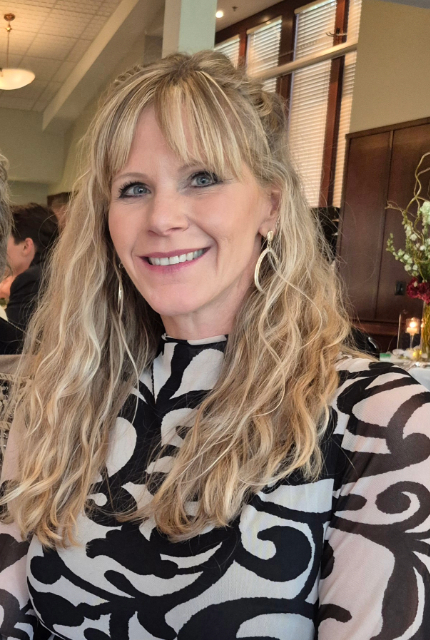
The program is now trying to enable more people who receive positive results to obtain colonoscopies. By providing patient navigators, as well as transportation for people who need a ride after the colonoscopies, the program is trying to remove the barriers that might keep patients from lifesaving tests and treatments.
Soon after Austin’s positive result, she saw a physician who strongly recommended she get a colonoscopy. The colonoscopy and biopsy confirmed that she had colon cancer.
“Don’t take the home kit lightly because it caught something I was not taking seriously,” she said.
The following month, Austin had surgery to remove the cancer. Doctors surmised that it had not spread to any other organs.
“It went fast and everything went so smoothly,” she said.
Austin has since encouraged her friends and family to get screened. As a result, clinicians detected and removed polyps, which can be precursors to cancer, from her sister.
A year and a half since Austin’s surgery, she is cancer-free.
The program received the National Colorectal Cancer Roundtable National Achievement Award in honor of its impact.
For details about UW Medicine, please see our About page.