
News Releases
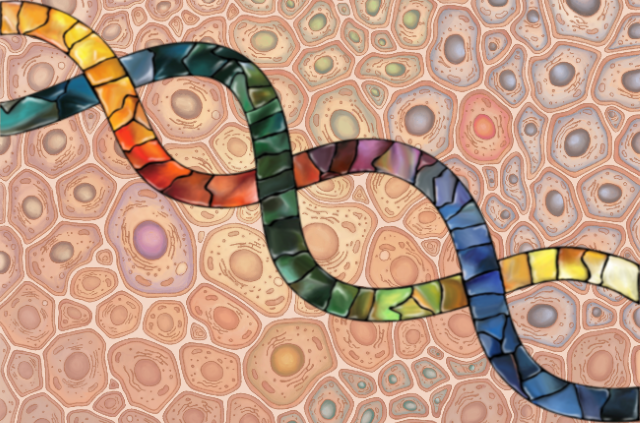
Invisible changes in our cells may shape health and disease
Changes that switch genes on or off without altering DNA escape today’s tests yet may help drive cancer and other diseases.

Ukraine maintains self-sufficient blood system despite war
Facing a 40% higher demand and a loss of donors from population displacements, Ukraine’s blood system adapted to meet military and civilian needs.

Researchers achieve major advance in protein design
A new open-source generative model surpasses its predecessors by using biomolecular reasoning to solve difficult design problems.
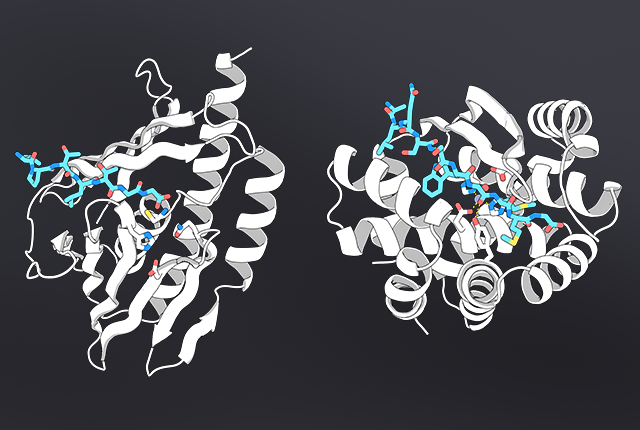
Molecular ‘scissors’ open path to new therapies
In two studies published in Nature, computationally designed enzymes cut disease-related proteins at precise sites.
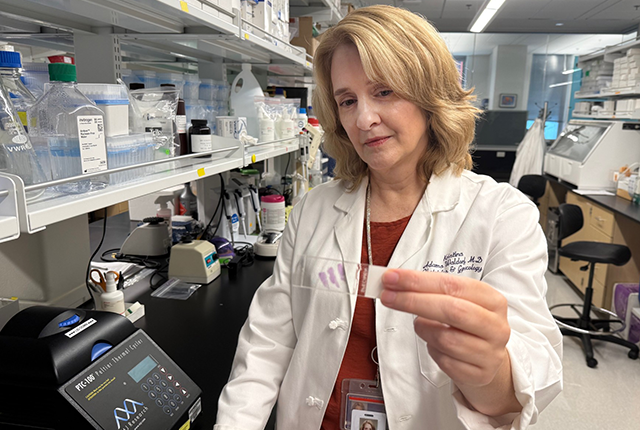
Flu in pregnancy forces the placenta into costly defense
The placenta pays a price for fighting influenza, researchers say, a finding that adds urgency to vaccination.
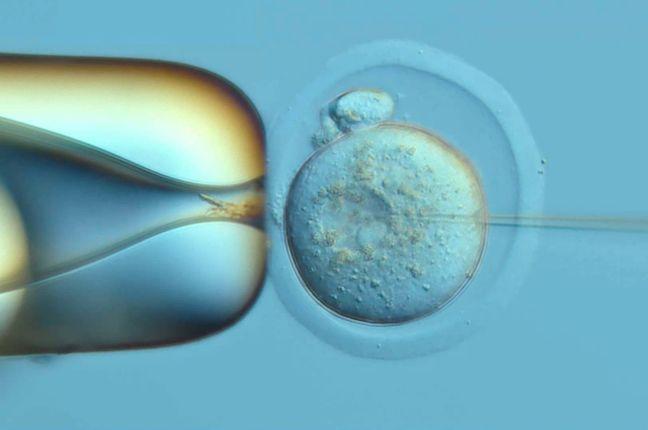
DNA Typewriter records cells’ history in early mouse embryo
Inserted into a fertilized mouse egg genome, the tape then tracked the lineage of 1.3 million embryonic cells up to late organ development.
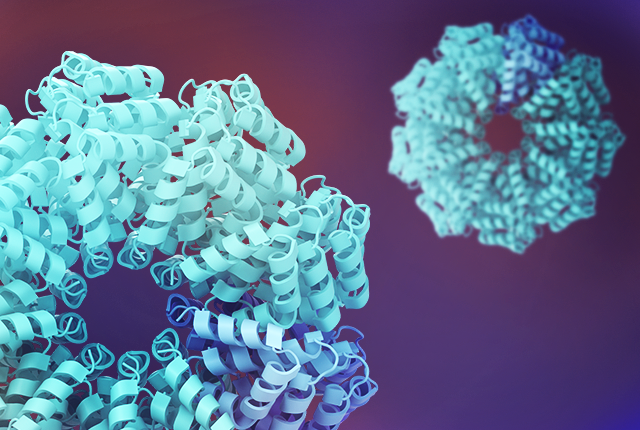
Institute for Protein Design receives AI computing power
Huang Foundation support will expand AI capabilities to improve human health and address other global challenges.
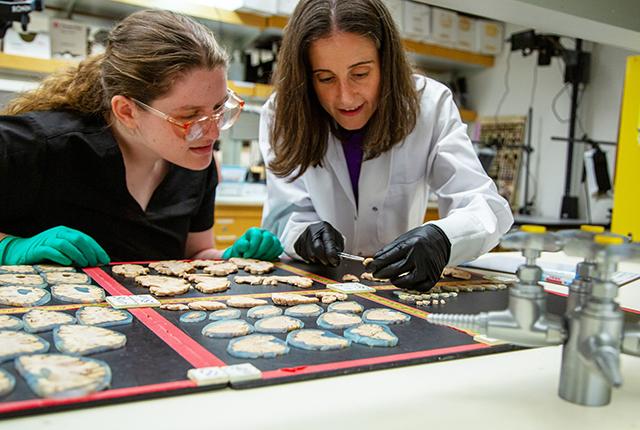
Similar brain patterns seen in dogs, humans with dementia
New research emphasizes that dogs can boost humans’ understanding of cognitive diseases and, potentially, therapies.
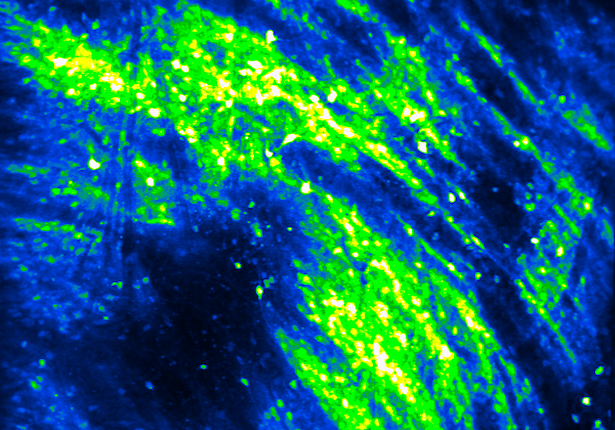
The brain’s own opioids help guide purposeful action
Neural signaling pathway discovery may lead to more targeted treatments for psychiatric disorders.

AI BioDesign project aims to adapt nature’s design rules
With $95 million in funding from FFST, the UW, the Allen Institute and Fred Hutch Cancer Center will jointly pursue AI models to create biological tools.
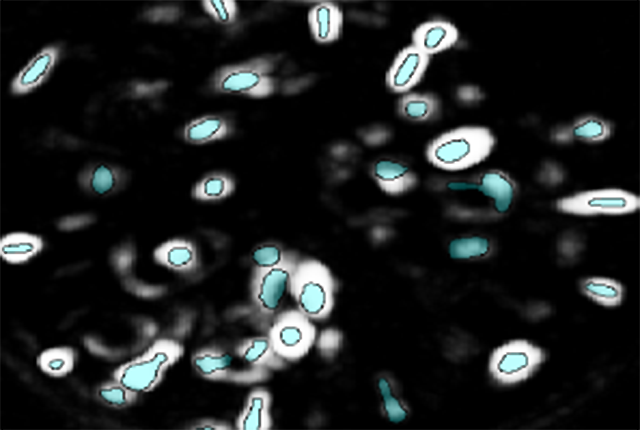
Brain signals help regulate reward-seeking
Study reveals how natural chemical feedback in a brain reward circuit shapes motivated behavior.

Study tells why widely used lab test misdiagnoses norovirus
Designed to detect the cause of a patient's diarrhea, the test inadvertently cross-reacts with 78 species of common gut bacteria, researchers found.

Intensive screening, infection control can contain C. auris
Universal screening and rigorous sterilization measures ended a hospital's outbreak of the potentially fatal fungus.
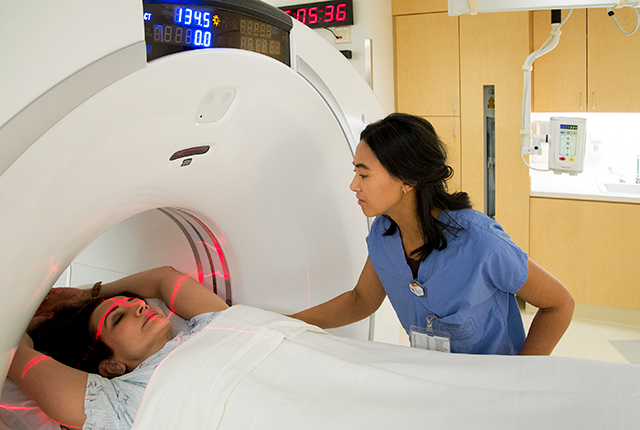
CT scan radiation doses fell substantially in past decade
A radiology specialist credits advances in scanner technology, training, dose-monitoring, and more individualized patient parameters.

HPV self-testing expands cervical cancer screening
Earlier detection could reduce deaths from the disease in high-risk, underscreened populations.
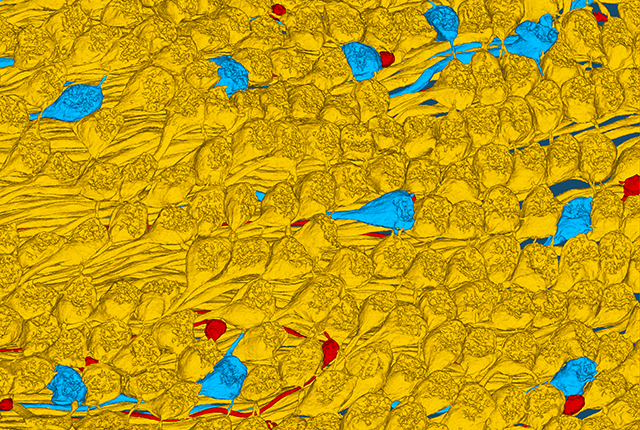
Map reveals wiring in the human eye for best vision
The first census of neurons and their synapse-level connectivity in a fovea shows unique features of the human nervous system.

Healthcare workers reflect on COVID-19 stigma
Frontline clinicians said that fear, burnout and public messaging influenced their feelings of blame and inadequacy during the pandemic.

New funding to expand Global Burden of Disease study
The Gates Foundation provides a landmark grant to the Institute for Health Metrics and Evaluation at the UW School of Medicine.
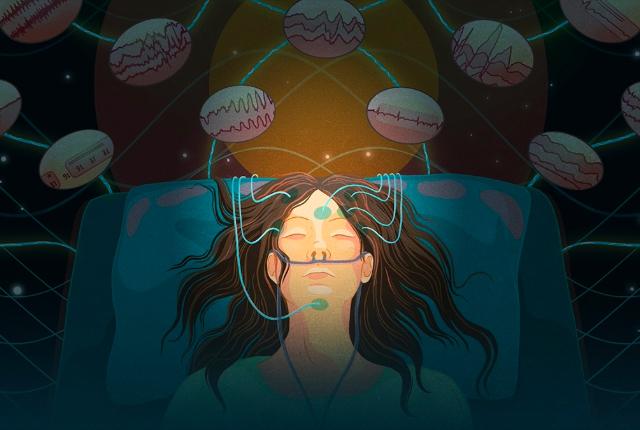
AI identifies health risks from routine sleep study data
Researchers develop an AI model that identifies patient groups with long-term health vulnerabilities.

Information lacking on remote abortion-care options
Many don’t know remote options include FDA-approved medications and online conferencing with licensed clinicians, a newly published paper suggests.
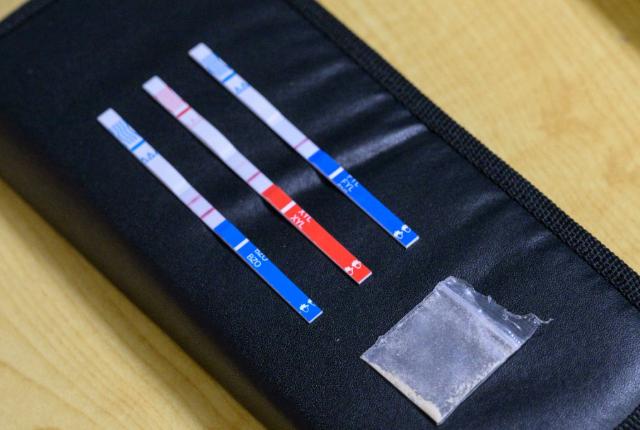
Researchers develop antibodies against xylazine's harms
The antibodies target the fourth wave of the drug epidemic, as mixed drug use with sedative xylazine surges nationally.

Biopsies reveal breadth of drug’s kidney protection
Medication reversed molecular signs of early kidney damage in youth with type 1 diabetes, study findings show.
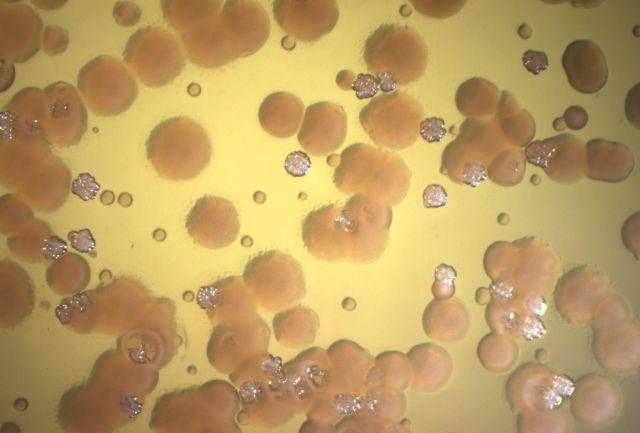
Partners in crime produce extreme antibiotic resistance
Environmental bacteria enter lungs during an infection and transfer antibiotic resistance genes to disease-causing bacteria.

Secondary care gap tied to prostate cancer deaths
Black men who did not receive secondary treatment were up to twice as likely to die of prostate cancer as white men.
Gene variant linked to risk of aggressive prostate cancer
Study findings suggest that the variant should be added to tests that identify cancer risks.