
Dual perspectives join to enhance viability of pregnancy
Cardiac and obstetrics specialists help patients with heart conditions understand risks and make informed decisions.Media Contact: Vishva Nalamalapu - vnala@uw.edu
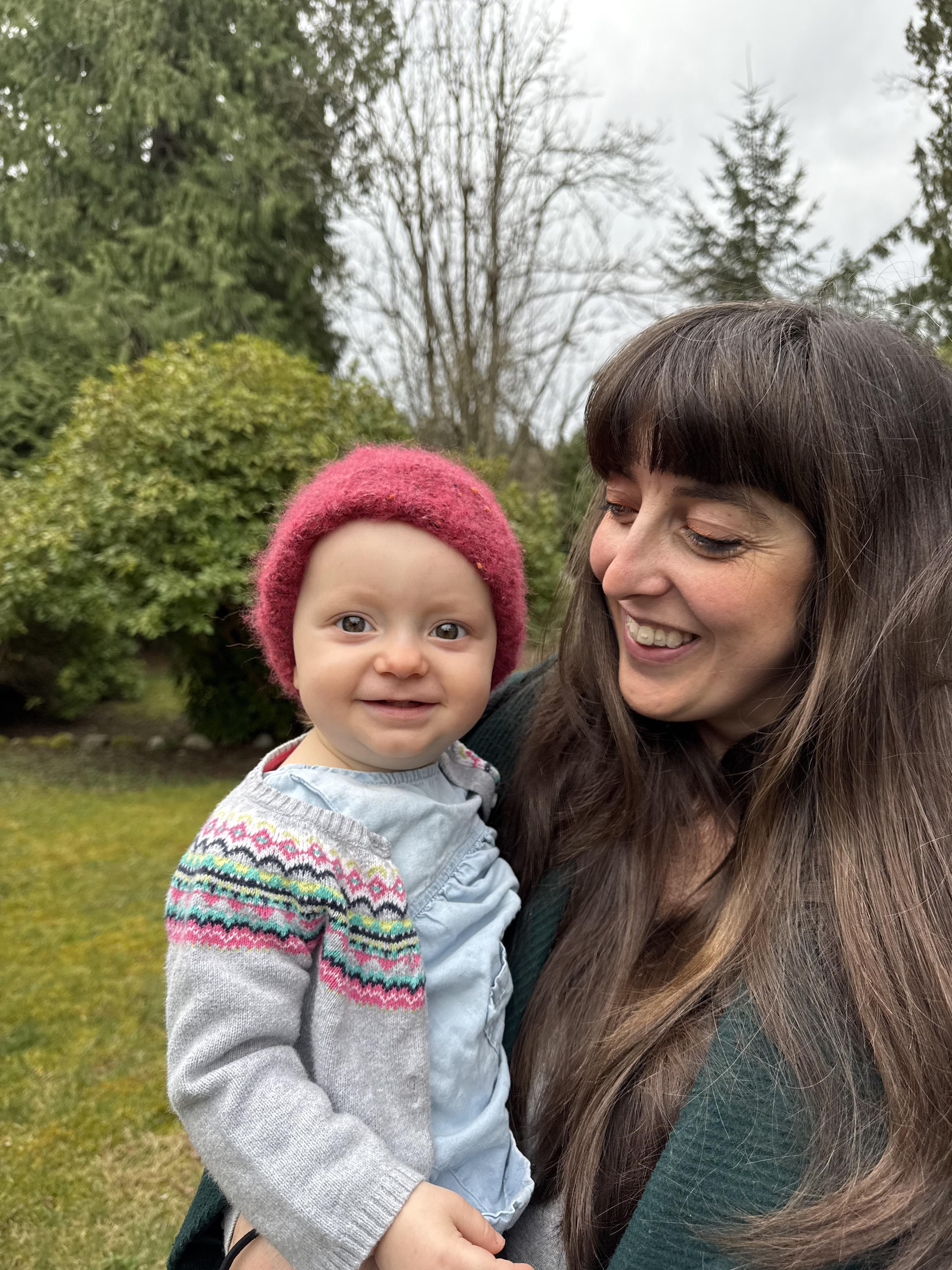
At 8 months old, Clea Johnson started going into heart failure. She was born with a congenital heart defect and grew up receiving care at Seattle Children’s Hospital.
She needed surgery to replace her pulmonary artery. After undergoing that surgery, she needed another when she was 10 to replace the vessel with a larger one.
Johnson's care was transferred to UW Medicine when she became an adult. She began to wonder whether she could have children, given her congenital heart defect.
“I really wanted to have kids, but I wasn’t sure whether it was a good idea,” she said.
Johnson saw a genetic counselor and Dr. Yonatan Buber, UW Medicine clinical service chief for cardiology and co-director of the Cardio Obstetrics Program. Both determined that pregnancy wasn’t a high risk for her.
In June 2023, she was pregnant with her second child. Eight weeks in, she felt nauseated and had pain in her left arm and chest following a stressful experience during which her child ran into the road after a deer. She went to a hospital emergency room in Bellingham, where the doctors said a tear, or dissection, had unexpectedly formed in the wall of her coronary artery. She was treated with medical therapy and didn’t need invasive interventions, but the doctors said she should have an abortion.
A new path to parenthood
In the 1990s, UW Medicine began to receive more patients with heart diseases who were interested in becoming pregnant. At UW Medical Center – Montlake, specialists founded the Cardio Obstetrics Program to meet the needs of these patients.
The program’s clinicians help patients from Washington, Wyoming, Alaska, Montana and Idaho who have cardiac conditions decide whether they want to become pregnant, and if so, to safely carry out their decisions.
Informed by the latest research, they evaluate patients and assess their risks so they can arrive at informed decisions. For some patients who grew up hearing they could never have children, advances in monitoring and treatment make it possible.
“There’s this group of patients who have life-threatening heart disease. Because of this program, they are getting incredible care that is holistic and comprehensive,” said Dr. Edith Cheng, UW Medicine’s service chief for obstetrics.
For some cardiac patients, pregnancy is dangerous. The healthcare team helps them understand the higher risk and make informed decisions.
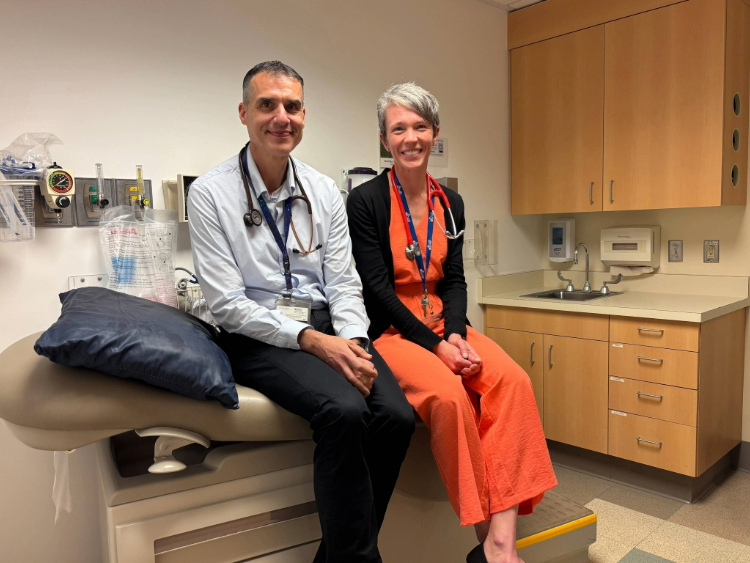
At UW Medicine, obstetricians and cardiologists see patients in the same room at the same time. That collaborative model enables patients to get their concerns and questions addressed from both perspectives at once, said Dr. Catherine Albright, a maternal-fetal medicine specialist and co-director of the program.
As a result, Buber said, “Our patient outcomes have been outstanding.”
The program is participating in the Heart Outcomes in Pregnancy Expectations for Mom and Baby study, which is evaluating outcomes for people with heart disease during pregnancy. It will shed more light on how the program’s model affects patients’ outcomes.
From crisis to birth
Johnson asked her UW Medicine doctors for a second opinion on whether she needed an abortion following her dissection. Buber agreed that the medical situation was “scary and question-provoking and anxiety-provoking,” but also not necessarily life threatening. Johnson was clinically stable and had minimal damage to her heart. There was some chance of the tear recurring, but that could be minimized by medication and by avoiding overexertion. She decided to continue with the pregnancy.
“I went from such an intense state of fear and unknown to going into a room of people who are completely informed about my situation, and confident,” Johnson said.
UW Medicine takes care of many patients with coronary artery tears. This experience helps them recognize which ones carry relatively more or less risk.
Buber was available throughout Johnson’s pregnancy when she had questions, such as knowing what chest pain was normal and what was concerning and may necessitate treatment.
“He was just so available and so reassuring and so compassionate. The team’s support got me through the worst time of my life,” Johnson said.
She gave birth in January 2024. Her children are healthy, and she is recovering and starting to feel like herself again.
For details about UW Medicine, please see our About page.