


What's New

AI BioDesign project aims to adapt nature’s design rules

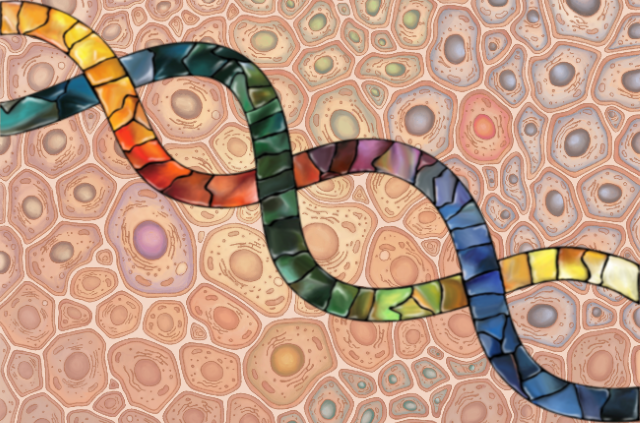
illustration of a transparent DNA helix covered with green organic particles
With $95 million in funding from FFST, the UW, the Allen Institute and Fred Hutch Cancer Center will jointly pursue AI models to create biological tools.

News Releases

Microscopy image of neurons glowing with fluorescent GCaMP6s, showing brain activity in an awake, freely moving mouse.

Brain signals help regulate reward-seeking

Study reveals how natural chemical feedback in a brain reward circuit shapes motivated behavior.
man on his side holds abdomen due to cramping

Study tells why widely used lab test misdiagnoses norovirus

Designed to detect the cause of a patient's diarrhea, the test inadvertently cross-reacts with 78 species of common gut bacteria, researchers found.
nurse sanitizes a hospital room

Intensive screening, infection control can contain C. auris

Universal screening and rigorous sterilization measures ended a hospital's outbreak of the potentially fatal fungus.
a radiology technician prepares a patient for a CT scan

CT scan radiation doses fell substantially in past decade

A radiology specialist credits advances in scanner technology, training, dose-monitoring, and more individualized patient parameters.
Woman holds a self-test swab

HPV self-testing expands cervical cancer screening

Earlier detection could reduce deaths from the disease in high-risk, underscreened populations.

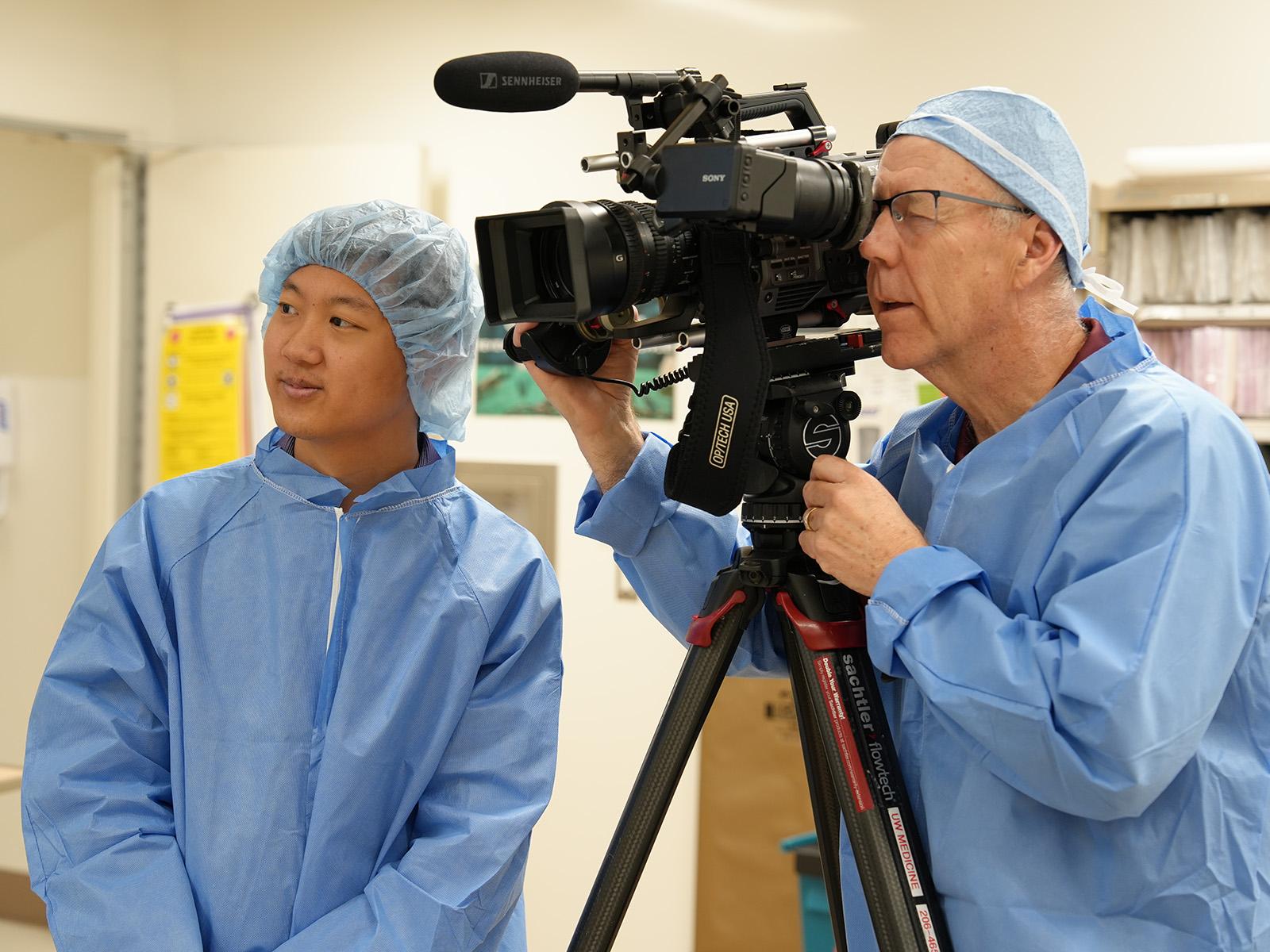
picture of Nathan Hyun and Tim Griffis

How to Reach Us

Journalists may reach the media relations team via email (mediarelations@uw.edu) from 8 a.m. to 5 p.m. PT. For urgent media requests after business hours, reach our on-call representative at 206-669-0164.

If you need us to record an on-camera interview with a UW Medicine expert, please email your request with specific details.

Contact Us

Reporters: For interviews with clinicians, researchers and instructors, reach our team. mediarelations@uw.edu