
Different approach to sleep apnea needed for older adults
Researchers call for more individualized, age-adapted diagnoses and treatments.Media Contact:
- Vishva Nalamalapu, UW Medicine - vnala@uw.edu
- Michele McKnight, Marshall University Joan C. Edwards School of Medicine - mcknigh4@marshall.edu
- Veronica D’Uva, IRCCS Istituto Auxologico Italiano and the University of Milano-Bicocca - ufficio.stampa@unimib.it
- University and Polytechnic La Fe Hospital - prensa_lafe@gva.es
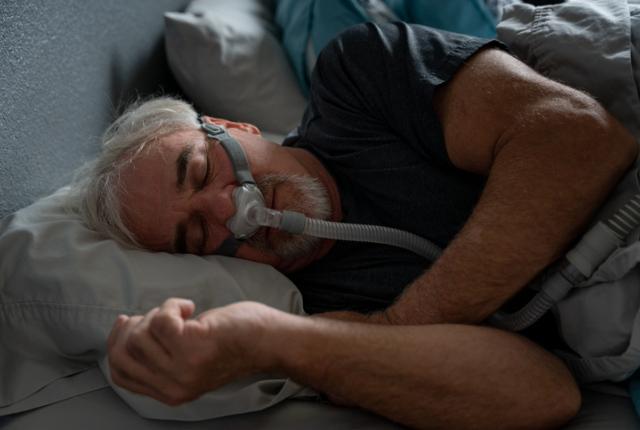
Researchers highlighted the urgent need for more individualized, age-adapted approaches to diagnosing and treating obstructive sleep apnea in older adults. Their article was published in the April 2026 edition of Sleep Medicine Reviews.
The article examines the rapidly growing prevalence of obstructive sleep apnea in aging populations. It also outlines the clinical challenges of balancing potential risks and benefits of treatment in adults age 65 and older, particularly those older than 80 and those living with frailty or multiple chronic conditions.
The condition affects nearly half of older adults and becomes even more common in the very elderly, yet this population remains significantly underrepresented in randomized clinical trials. As a result, many diagnostic thresholds and treatment recommendations — including the use of continuous positive airway pressure , or CPA therapy — are largely derived from studies of younger or middle-aged populations.
The review synthesizes available evidence showing that aging is associated with distinct physiological changes in upper airway function, ventilatory control and sleep architecture that may alter how obstructive sleep apnea develops and responds to therapy. Older adults often do not have classic symptoms such as excessive daytime sleepiness. Instead, they tend to experience fatigue, insomnia, cognitive changes, falls or mood disturbances.
The authors also highlight the close relationship between obstructive sleep apnea and frailty. The researchers noted that intermittent low levels of oxygen in the blood, inflammation and hormonal dysregulation may contribute to declining physical and cognitive reserve. While CPAP remains the standard treatment for moderate-to-severe cases, evidence suggests that benefits may be attenuated in patients over 80. Also, adherence to therapy declines significantly with advancing age.
The review was authored by Dr. Martino F. Pengo of IRCCS Istituto Auxologico Italiano and the University of Milano-Bicocca in Milan, Italy, Dr. Miguel Ángel Martínez-García of University and Polytechnic La Fe Hospital in Valencia, Spain, Michael V. Vitiello of UW Medicine in Seattle, and Dr. David Gozal of the Joan C. Edwards School of Medicine at Marshall University in Huntington, West Virginia.
The authors emphasize that treatment decisions in older adults should prioritize symptom burden, functional status, frailty and patient-centered goals rather than relying solely on apnea-hypopnea index thresholds. They call for well-designed clinical trials specifically enrolling older and frail adults to guide future practice and policy as populations continue to age worldwide.
Adapted from a Marshall University news release.
For details about UW Medicine, please see our About page.