
Over 50? You can take steps to reduce osteoporosis risk
Q&A: A bone-disease specialist stresses prevention, detection and medication long before a fracture.Media Contact: Colleen Steelquist - csteelqu@uw.edu
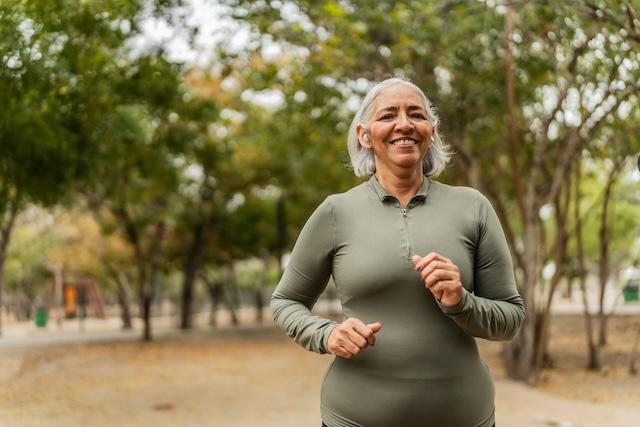
More than half of all U.S. adults 50 and older either live with osteoporosis or have an increased risk of developing it. The condition causes the bones to become thinner, weaker and more likely to fracture.
According to the National Osteoporosis Foundation, 1 in 2 women and 1 in 4 men over 50 will break a bone due to osteoporosis. Among these populations, hip fractures in particular often lead to less independence due to the length of recovery.
An editorial addressing osteoporotic fracture-prevention strategies appeared July 7 in the journal JAMA.
“Currently too many people with osteoporosis who are at high fracture risk are not receiving preventive treatment,” said the essay’s author, Dr. Susan Ott, a physician at the UW Medicine Metabolic Bone Disease Clinic and professor emerita of medicine, Division of Metabolism, Endocrinology and Nutrition, at the University of Washington School of Medicine.
“As few as 15% of people who already broke their hip are leaving the hospital and not getting any follow-up or treatment for their osteoporosis that caused the fracture — which puts them at high risk of breaking the other side. This could be prevented,” she said.
Ott discussed approaches to detecting osteoporosis and managing its accompanying risks.
Q: Why is osteoporosis undertreated?
Ott: People who could benefit from treatment often don't even know that they have osteoporosis because it’s a silent disease. It’s not causing any problems until something breaks. Before they get a fracture, we could tell they're at risk with a bone density test, but many people don't get around to getting that test.
Q: What’s the best age for women to get their bone density measured?
Ott: Women should get screened right at menopause. Then we'll know what their risk is going to be in the future. That’s the time when we can really intervene, especially with estrogen. If screening for osteoporosis does not occur until age 65 or later, it is too late to start estrogen or to prevent the rapid bone loss around menopause.
Q: Why do you think estrogen should be used more by menopausal women?
Ott: It's the most effective way to prevent the bone loss that happens during menopause. Normally, women lose up to 10% of their bone between one year before and after their last menstrual period, which is between the ages of 45 and 55 for most women. This loss is responsible for the majority of osteoporosis.
Studies have shown that estrogen, given at menopause, will prevent fractures, as well as heart disease. If we give it as a patch instead of a pill, it does not increase the risk of strokes. The newer forms of progesterone, which is added to estrogen if a woman has a uterus, probably do not cause breast cancer. But if a woman is going to use estrogen, she has to start it early because it’s dangerous for heart health to start estrogen more than 10 years after menopause.
Q: What types of bone breaks should trigger follow-up exams for osteoporosis?
Ott: If somebody has a fracture in their hip, spine or wrist without much of an accident, that deserves a closer look. The first drug that we would use in an uncomplicated case — where the bone density is not severely low, but low enough to call it osteoporosis — is a bisphosphonate.
Q: We often equate osteoporosis with women. Do men also need screening and treatment?
Ott: Yes, we should screen men around age 70. Men get osteoporosis, too, but often about 10 years later than women because men’s hormone loss occurs more gradually with age. If a man has low bone density with no other cause, I would treat him with bisphosphonates. They have been clearly shown to work just as well in men as in women.
Q: Can diet and exercise treat osteoporosis?
Ott: Neither diet nor exercise will really treat it. We shouldn't ignore exercise and nutrition but they’re not enough to prevent bone loss.
Healthy foods are good for your bones: lots of vegetables and fruit and eating a variety of food. When you get a good diet and you're healthy, your body deposits proteins and minerals into your bone. When you're sick and you're losing weight, your body dissolves your bone to release the proteins and minerals.
In terms of nutrition, that means don't be too thin. Your body mass index should be at least 20. To help prevent fractures, we would want everybody to be a little overweight, but we have to balance this with the risk of heart disease and arthritis, so we aim for a BMI about 22.
We also need both calcium and protein. Protein makes the matrix of the bones, and calcium makes the bones hard. Be mindful of protein and try to get adequate amounts. For calcium, we strongly recommend getting it from your food and not from supplements. Dairy products, tofu and a lot of green vegetables are excellent sources. However, the calcium in spinach does not get absorbed so spinach does not count.
For exercise, bones do respond to bearing weight. Taking long walks, running or playing a variety of sports is helpful. Just being on your feet is important.
Q: What about taking vitamin D?
Ott: You definitely need vitamin D. You can make it yourself through sunlight on your skin. But as people get older, they don't make as much, and in Seattle, we're so far north that we are not going to be able to make as much vitamin D even if we go out in the sun.
I recommend people take some vitamin D, but not a lot — about 1,000 units a day. More is not better. We still have people recommending very high doses that have proven to be harmful to the bone.
For news organizations: Download broadcast-ready video soundbites and related multimedia.
For details about UW Medicine, please see our About page.