
How can the mind be harnessed to ease pain?
Adults 60 and older are needed for a study exploring how mind-body treatments might change the brain’s response to pain.Media Contact: Colleen Steelquist - csteelqu@uw.edu
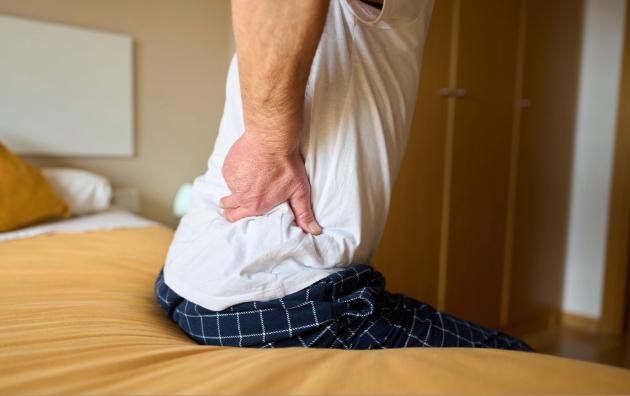
Seattle-area older adults with chronic pain are being sought for a University of Washington School of Medicine study evaluating mind-body treatments for pain management.
Chronic pain is often inadequately treated in older people. Despite the high prevalence and substantial burden of pain among older adults, important knowledge gaps remain, because this age group has been historically underrepresented in pain research.
“As we age, we have more aches and pains for all kinds of reasons, including arthritis, general wear and tear, and a decrease in our physical resilience to injury,” said Dr. Mark Jensen, professor of rehabilitation medicine at the UW School of Medicine. “Pain is an inevitable part of life, but it hurts. It's not comfortable and it can restrict our functioning.”
Jensen is co-leading a study to learn how non-pharmacological pain treatments regulate and alter the nervous systems of older adults. Improved understanding could better match patients with treatments and increase treatment effectiveness.
Participants will be randomly assigned one of three treatments: mindfulness meditation, therapeutic hypnosis or listening to stories. They will undergo brain imaging to identify how the brain reacts to pain and who benefits most from these treatments.
Doctors and patients are eager to find non-opioid approaches for managing pain. Opioids can provide short-term relief, but regular use increases pain because they stop the brain's ability to generate its own pain-fighting chemicals. Opioids can also cause addiction and have dangerous side effects, especially for older adults.
“We can use non-pharmacological approaches like self-hypnosis, distraction and mindfulness meditation to give people pain relief, to allow them to function in their lives with less pain, improved sleep and more hope,” Jensen said. “These treatments change how the brain is responding to the input the body provides so that the person feels more comfortable and in control.”
Jensen describes mindfulness meditation as focused, non-judgmental acceptance of one’s current experience.
“As a result, you end up reducing pain by not doing useless things like ruminating and worrying,” he said.
Self-hypnosis is focused attention, said Jensen: “In that state of focused attention, the brain is more open to suggestions. You can suggest good things, like your body can feel more comfortable, and the brain will respond. It's a natural process.
“I've talked with patients who learned hypnosis skills and 25 years later, they’re still using this approach to manage all kinds of things in their lives, not just their pain,” he said.
The third study arm, listening to a story, uses the power of distraction to lessen pain by asking participants to hear an interesting tale.
“We anticipate that everyone in the study will benefit, no matter what arm they are in,” Jensen said. “What we want to understand is how each of these treatments work, because we already have evidence that they work.”
Who can enroll in the REsearch on Focused Relaxation and Awareness for Managing Everyday (REFRAME) Pain Study?
- Adults 60 and over experiencing chronic pain (ongoing pain medication use is acceptable)
- Seattle-area residents
- Must have internet access and a computer or smartphone
What does study participation involve?
- Three in-person brain-imaging tests (non-invasive, radiation-free) at UW Medical Center – Montlake (about two hours each)
- Four virtual audio treatment sessions (30 minutes each)
- Survey completion and sensory testing
- Compensation up to $300 for study completion
For details: The researchers aim to enroll 375 participants in the REFRAME Pain Study. If you or an older adult you know think you are eligible, please email the study coordinator or visit the enrollment site for more information.
For details about UW Medicine, please see our About page.