

What's New

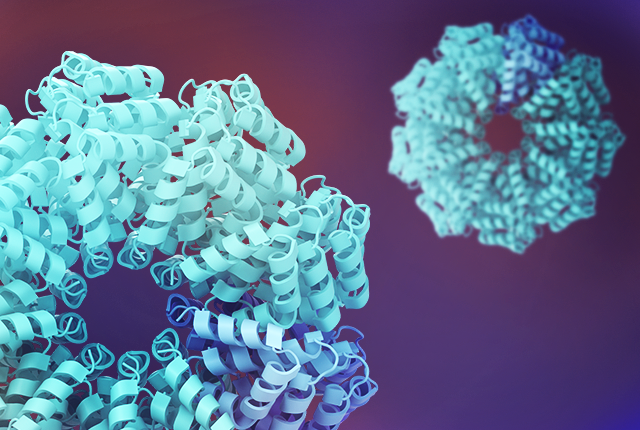
Human liver tissue cell architecture reconstructed in 3D

Close-up of a human liver lobule highlighting GLUL (glutamine synthetase) + liver cells surrounding the central vein (grey),
Comparing human livers with and without cirrhosis uncovers rearrangements in intricate microstructure — and their consequences. 

News Releases

picture of adult male with Down syndrome in cafe

Anxiety, gloom often accompany intellectual deficits

An analysis details the mental health burdens and care disparities facing U.S. adults with intellectual and developmental disabilities.
picture of a hand holding a vial of ketamine liquid and a syringe

Ketamine rapidly reverses fentanyl withdrawal symptoms

A new, reliable strategy allows fentanyl users to start treatment without prolonged suffering.
picture of person displaying small sign that says "stop violence"

State's firearm-relinquishment effort sees gains

A study showed drops in volume and severity of committed crimes involving people subject to domestic violence protection orders.
picture of children in a car holding several orders of French fries

Experts outline steps to curb rise in youth hypertension

From 2000 to 2020, hypertension doubled in people under age 19, affecting an estimated 114 million children and teens worldwide.
detail image of a hospital bill

Injuries cause lasting financial harm, even among insured

After an injury-related hospitalization, many working-age Americans are vulnerable to bankruptcy and long-term debt, a study shows.

picture of Nathan Hyun and Tim Griffis

How to Reach Us

Journalists may reach the media relations team via email (mediarelations@uw.edu) from 8 a.m. to 5 p.m. PT. For urgent media requests after business hours, reach our on-call representative at 206-669-0164.

If you need us to record an on-camera interview with a UW Medicine expert, please email your request with specific details.

Contact Us

Reporters: For interviews with clinicians, researchers and instructors, reach our team. mediarelations@uw.edu